Loudoun County’s Oatlands: 200 Years of History


You could be a thousand miles from a big city – but in reality, you are about an hour outside the Nation’s Capital. Gently curving rural two-lane roads are the norm here. Tucked away down one of these roads is the 418-acre site, Oatlands. Now a property of the National Trust for Historic Preservation, Oatlands is more than 200 years old and its history is entwined with the early trials, tribulations, successes, and controversies of our developing country.


Brick-by-brick built by slaves
Oatlands was the crown jewel of the Carter family and construction of the Federal-style mansion began in 1804 with bricks made by enslaved labor. By the beginning of the Civil War, 133 slaves were working the fields, grounds, mansion, and buildings. It was the largest plantation in Loudoun County, Virginia. But I am getting ahead of myself because the backstory is very interesting.
The land that eventually became Oatlands was a land grant to Robert “King” Carter. The massive 300,000-acre plantation enslaved about 3,000.
Short-lived emancipation
King’s grandson, Robert Carter III inherited a portion of the land added to his other land holdings. Although he enslaved more than 500, he came to believe slavery was immoral and in 1791 filed a Deed of Emancipation to free them all. It was an exceptionally controversial action for its time and involved a complicated legal process. It is believed to be the largest (and little-known) private emancipation in American history.
Robert III, however, failed to influence his 10 children or most of his relatives and neighbors. It was his son Geroge who built the Oatlands mansion and returned to the life of a slaveholder.


A new beginning
The family’s fortunes did not fare well after the Civil War and eventually, the home came into the possession of the Eustis family. William Eustis was the grandson of William Corcoran and his wife Edith Morton’s father was Vice President under President Benjamin Harrison. Edith was a childhood friend of Franklin Roosevelt, who visited Oatlands several times. Upon Edith’s death, her surviving daughters donated the home, property, and furnishings to the National Trust.


Trust staff is working hard to curate the items in the home, restore the mansion, care for the 28 outbuildings, maintain the grounds, and create interpretative material. They provide excellent tours delving into the fascinating personal details of the families – both owners and enslaved – whose lives intertwined here. I have only scratched the surface of the Oatland’s story in this post.
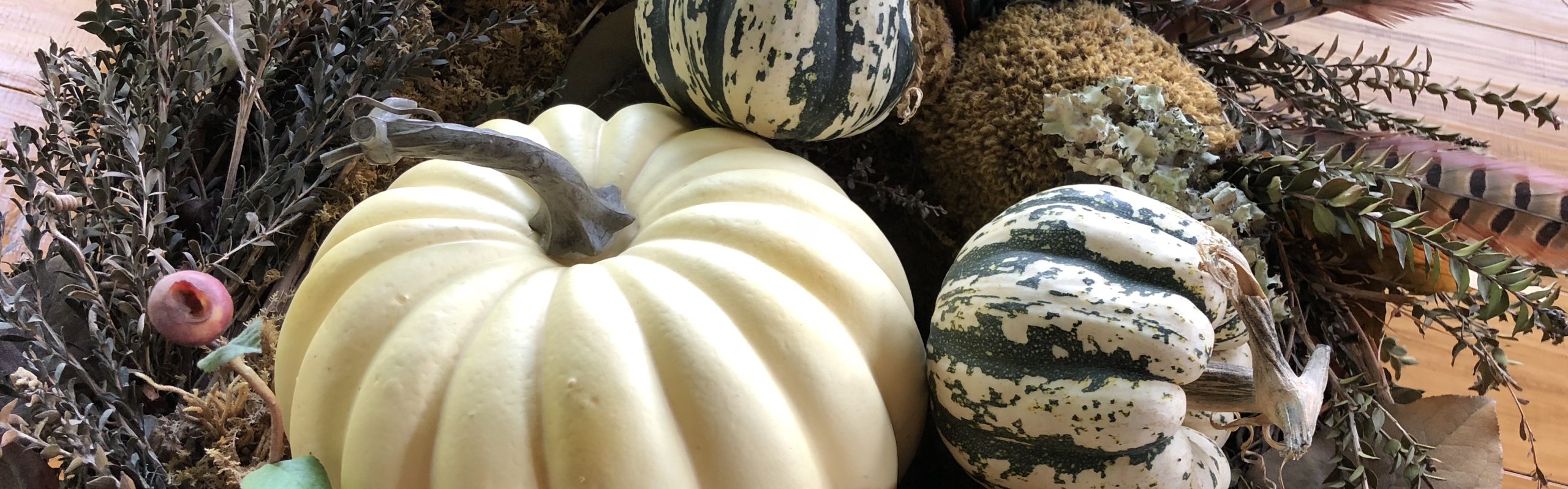
You can tell from these pics that we visited during the holidays and it was a cold, bleak day. It must be beautiful in the spring and fall. The mansion and visitor’s center will reopen April 1, 2025, but the grounds and gardens are open daily from 10 – 5. Visiting the grounds is free, and the gardens require a $10 ticket. Tours are by appointment. There are also many special events throughout the year from Teas to special lectures. Check out the current offerings online at https://oatlands.org/
Take a tour. History buffs will not be disappointed.


Karen, I love your travel blog. it is always interesting and so well written!
Thank you!!
As always an interesting blog. I love the kids’ room and the “book tree”.
Bonnie
Enjoyed this wonderful experience . A must to visit. Ann & Bob Wilson