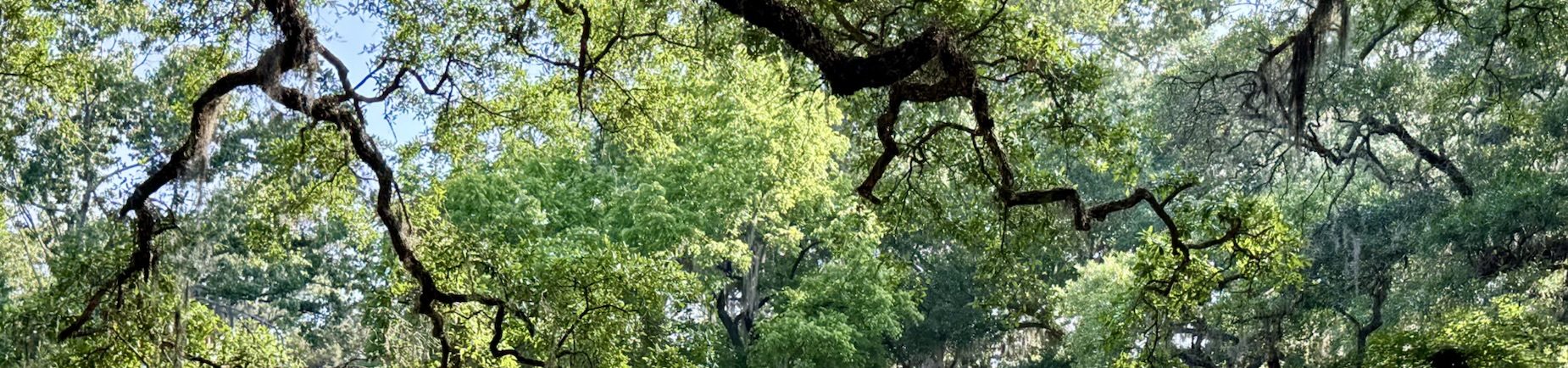


48 degrees. Glittering golden leaves. Carolina Blue sky and a mountain view that doesn’t stop.
We took an afternoon break from packing-up to head south, and enjoyed our last hike of the season, to The Cascades. A short 30-minute walk along a well-maintained trail leads to the beautiful falls located in E.B. Jeffress Park at mile marker 272 on the Blue Ridge Parkway, near Deep Gap. You hear the it before you see it. Falls Creek looks deceptively serene until you reach The Cascades which are roaring down a steep rock-face stretching as far down as you can see. Eventually the water will meet the Atlantic Ocean at Winyah Bay, SC.
Of note: The 600 acre E.B. Jeffress Park has picnic and bathroom facilities at The Cascades parking area. Markers with information about the trees and foliage are placed all along the trail; unfortunately about 75% of the descriptive plaques are missing.


We’ve enjoyed our visit to Dublin. Quite a contrast to the rest of our trip to Ireland. It’s urban of course, also very vibrant, lively, modern and young.
Let me start by sharing the weekend we were in town featured the convergence of the two biggest sporting events in Ireland, a semi-final for Irish Football on Saturday and a Hurling (sorta like a rugby, lacrosse mash-up) match on Sunday. Both games in Dublin and the entire country psyched-up. It’s been fun to follow and try to understand.
There are literally pubs everywhere. What surprised me was the famous Temple Bar section (medieval part of town encompassing quite a few blocks) resembled the vibe of Bourbon Street. Music of every possible origin could be heard from street performers as well as all the pubs. Within minutes I heard standards by Sinatra, Beatles, “Stand by Me” and even my old childhood favorite, “Volare” among others. I guess I expected it to be more Irish and not so westernized. It did smell better than the French quarter, but then we were there on the early side.

Dame Lane.
The pubs I wanted to visit were not in the Temple Bar area, and we did track down several. We stopped in the famous O’Donoghues and listened to some great local Celtic music, and the Stag’s Head on tiny Dame Lane; but my favorite was Brazen Head, Ireland’s oldest Pub, in operation since 1198. It was charming and had a series of rooms, nooks and crannies with tables as well as a patio area and live Celtic music. Even though I’ve said the city is young, you see all ages in the pubs and the musicians playing the typical Celtic music are all across the age spectrum. For a typical Irish dinner we tried the Hairy Lemon pub and were not disappointed.
You certainly don’t need to sign up for one of the many pub crawls in this town. I think anyone young would love it here and we saw lots of Europeans (including Spaniards), in their 20s and 30s, as well as a few bachelorette groups.

Library at Trinity College.
The top of my list was to see the Book of Kells and Old Library at Trinity College and both proved amazing. The library was built in 1712 and houses 200,000 of their oldest books. It seemed so appropriate for this city, which so many legendary writers called home. Sitting there and looking at all those manuscripts made me wonder if future generations will even know what a book looks and feels like.
Made by monks in AD 806, the beautifully ornamental Book of Kells contains the four gospels. The detail, craftsmanship and talent that are evident is awe-inspiring. It’s no wonder it’s Ireland’s national treasure.
The city is very walkable, but because we wanted to see a couple of far-flung spots we used a hop-on bus service as our taxi, catching a ride from Trinity College out to Kilmainham Gaol (Jail) for a tour and insightful lesson in Irish political history.
We were staying in a hotel on St. Stephen’s Green, a wonderful 22-acre inner-city park. When you enter the gates you are transported into a tranquil, peaceful world with no signs of city life. All-in-all Dublin is a very nice city, just enough culture, interesting history and a lot of fun.
And so, to the Irish people, we say “go raibh maith agat” (thank you), and we head home.


Sadly, this was our last day to explore Irish country roads.
We headed west from Cong to the coastal town of Clifden, tucked in between the Twelve Bens mountain range and the bay. Before we enjoyed a late lunch in quaint Clifden, we stopped by the Connemara National Park to learn a bit more about bogs and did a drive-by of stately Kylemore Abbey, a Gothic Revival estate built in 1826.
The drive from Ashford Castle, along Lough Corrib, Ireland’s largest lake with its 365 islands, was very nice. This region had fewer shades of green, taller grasses and looked decidedly less rugged and more coastal. Tides ebb and flow to such a degree that low tide leaves boat leaning on their sides and allows car traffic to a nearby island.
We were also on a search for bogs. Bogs are not particularly visual; I guess that’s why they aren’t featured in too many photo-spreads. They are wet, swampy and generally soft, but since they maintain debris (and can serve as natural embalmers), they do offer a window into the past. Ireland is known for blanket bogs; peat bogs that are large and spread out.
Bogs notwithstanding, we saw some more beautiful scenery, lots more sheep, lakes, tiny villages and sweeping vistas.
Eventually, we found our way back to Ashford Castle and enjoyed just being there.


We had an amazing experience today. We worked with a Harris Hawk named Aztec (with our instructor Alec) and spent an hour walking in the woods of the Ashford Castle estate.
It was actually like a page right out of a Robin Hood story, deep in Sherwood Forest. We got to see Aztec take off to hunt his own prey at one point. What a feeling to look eye-to-eye with a raptor and have him take-off and return to your gloved hand.
Alec was an excellent teacher, and you could tell he had a real love of the birds and what he was doing; we managed to learn quite a bit from him.
The program is run by Ireland’s School of Falconry, the oldest established such school in Ireland. Although based at Ashford Castle, you don’t have to be staying here to schedule a Hawk Walk. www.falconry.ie
In the meantime, I can’t even think of enough adjectives to describe Ashford Castle. Dating from 1228, this property did indeed start out as a castle. In the mid-1800s it was owned by Sir Benjamin Guinness. In 2013, the property was rescued from receivership by the Red Carnation luxury hotel group. They bought it for less than half of its previous sale price and then proceeded to invest somewhere between $50-70 million in renovating the hotel and estate.
What you have is an incredible property, perfect in every way. Accommodations include totally modern electronics (such as US electrical outlets, heated bathroom floors and one touch controls for everything in the room), along with elegant fabric-covered walls, canopy beds and a staff that makes you feel like you are their only guest.
So, from the shores of Lough Corrib, we wish you “dia dhuit” (good evening).


